
Begin with the sales strategy
Before we name anything, we want to know who is buying, what they are comparing it with and why this property deserves its price. Without that, even beautiful work becomes decoration.
Decide what buyers need to understand, then create the materials that answer those questions.
A recognisable project identity
A good identity does not compete with the architecture. It gives the project a recognisable frame, from the first hoarding on site to the brochure on a buyer’s dining table.
- ↗Project name and positioning
- ↗Logo and visual identity
- ↗Colour, typography and image direction
- ↗Key messages and tone of voice
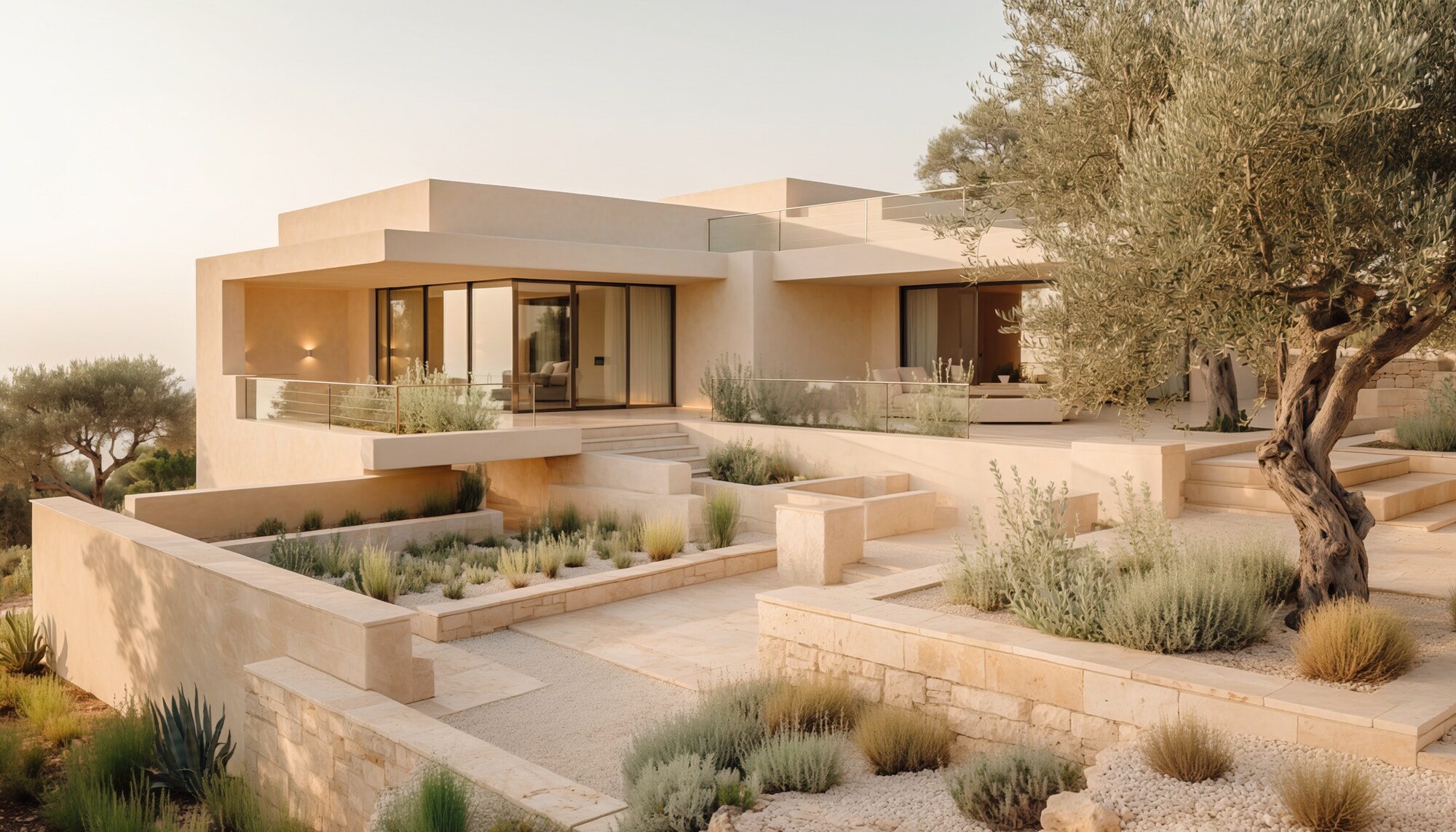
Content that proves the value
If the materials are exceptional, get close enough to see them. If the view is the reason to buy, show how it connects to the room. Generic lifestyle language cannot do the job of a precise image.
The core sales materials
The website and brochure are where desire meets detail. A buyer should move naturally from first impression to plan, specification and enquiry without feeling that the campaign has suddenly changed voice.
- ↗Project website or landing page
- ↗Sales brochure and digital presentation
- ↗Floor plans, specifications and availability
- ↗Photography, film, drone and renders
- ↗Social launch content and advertising formats
- ↗Agent toolkit with approved copy and assets
The strongest property communication starts with one clear decision, then carries it through every touchpoint.
Launch in the right order
A teaser only works when there is something ready behind it. We would rather wait a week and launch properly than create attention that leads to an empty page.